The 3 Principles Behind Lasting Operational Excellence
Performance improves when you operate, manage and lead work together. Here’s what each principle means in practice.
01 | Operating System
Design how work should flow
The operating system is the technical backbone of the work itself: standard work, process stability, flow and visual management, the elements that make it obvious, at a glance, whether a process is running the way it’s supposed to. Without this layer, every improvement effort is built on shifting ground, because no one can agree on what “normal” even looks like.
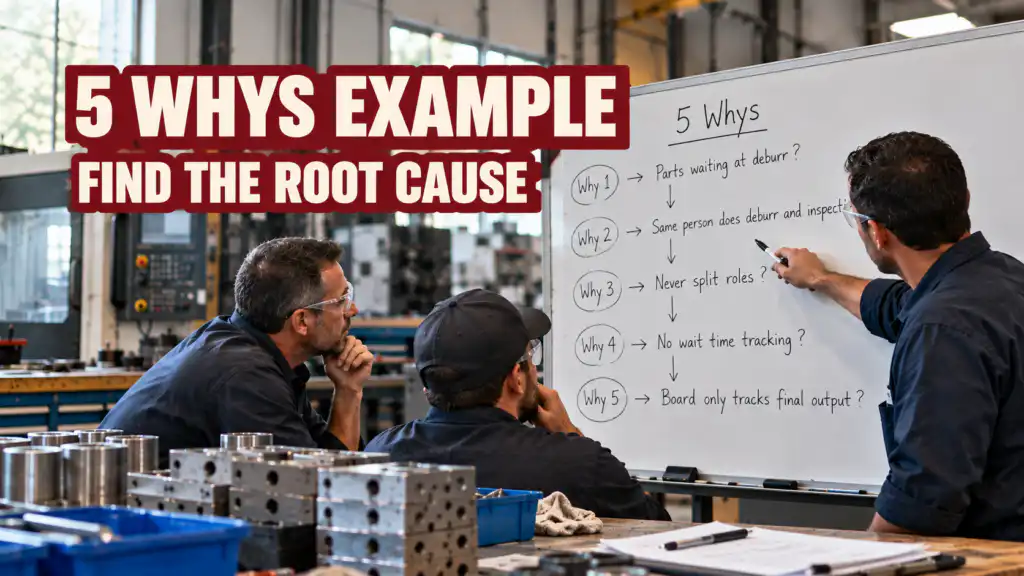
Get the operating system right and problems stop hiding. A machine running slow, a part waiting too long, a step skipped under pressure, all of it becomes visible the moment it happens instead of showing up three weeks later as a missed shipment or a quality complaint.
In practice, this looks like a 5S workplace, a visible production board updated in real time, and a standard way to flag and solve problems at the source, not in a meeting the following week.
02 | Management System
Improve management routines
A good operating system only stays good if it’s managed by example. When management asks people to respect a standard, like honoring break times or following a procedure, they hold themselves to it first. Promises made get kept. Engagement isn’t something demanded from the floor, it’s something modeled from the top down.
Being present matters just as much when things are going well as when they’re going badly. A manager who only shows up on the floor during a crisis teaches people to hide problems until they become one. Presence also means providing what the operating system actually needs to work, the material and financial resources, not just the expectation that it runs on its own.
In practice, this looks like a leader who’s credible because they do what they say and say what they do, clear and honest communication up and down the line, and decisions made close to where the work actually happens, not three layers up.
03 | People & Mindset
Build trust and involvement
The operating system and the management system are both visible. This third principle is what decides whether the other two survive: do people feel like they truly belong to the company. When they do, they’re motivated to give their best whether a manager is standing next to them or not, and they defend the company rather than just show up for a paycheck.
That sense of belonging isn’t automatic, it’s built. It comes from trusting management, being involved in projects and in the decisions that affect the work, and feeling genuinely valued and supported, not just tolerated. A new board or a new standard changes nothing on its own if people don’t believe raising a problem will be met with support instead of blame.
In practice, this looks like operators who flag problems without fear of blame, ideas that get acted on and credited back to the person who raised them, and a team that’s genuinely involved in decisions instead of just informed of them after the fact.
See how we help teams put these 3 principles into practice.
View our services →